From the Mississippi to Texas Hold’em
A disputed origin, a twenty-card deck and the change that gave poker room to grow.
What the early accounts say
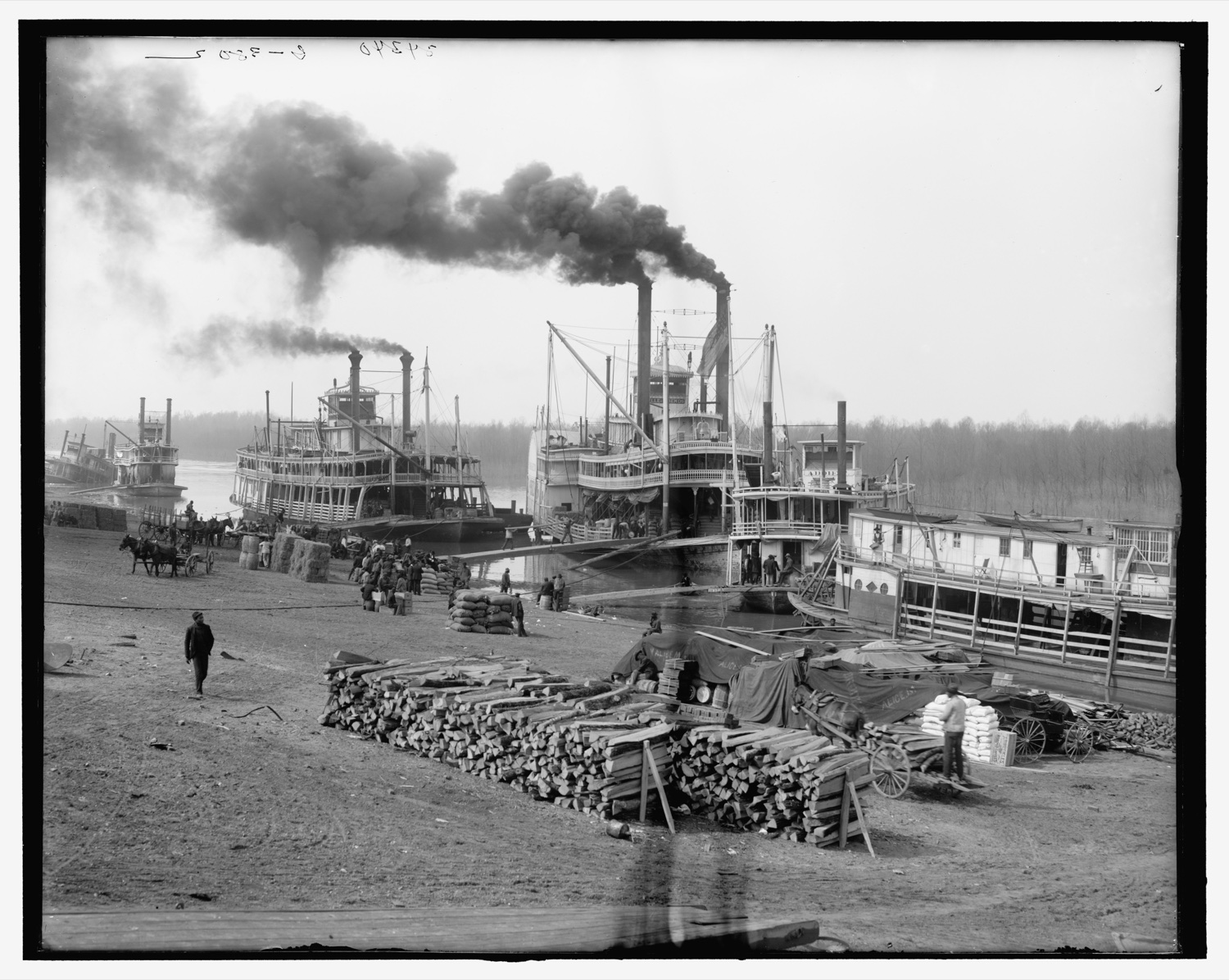
The early history of poker comes from scattered accounts. Games historian David Parlett points to New Orleans and the steamboats that worked the Mississippi. Jonathan Green described an encounter with twenty-card poker on a steamer bound for New Orleans in 1833. The surviving evidence gives us places and dates, while the exact ancestry of the game remains debated.1
Twenty cards for four players
Early accounts describe only tens, jacks, queens, kings and aces. Four players could each receive five cards, using up the entire pack. Pairs, trips, a full house and four of a kind already mattered. The players wagered on the hands they had been dealt, with no replacement cards to draw.1
More cards, more decisions
During the 1830s and 1840s the 52-card pack gained ground. It could seat more players and left cards for a draw. The chance to replace cards and bet again gave players another decision and more information about their opponents. Parlett cites mid-century rulebooks as evidence for the development of draw poker.1
How hold’em reached the tournament stage
Texas Hold’em gives each player two private cards and builds a shared five-card board. Each street changes the possible hands for the entire table. In 1970 the first World Series of Poker gathering in Las Vegas used no-limit hold’em, and the format became central to the series’ Main Event. Its shared board also gives spectators a clear way to follow the developing hand.2